Choosing the Right Recording Studio Category for Your Next Release
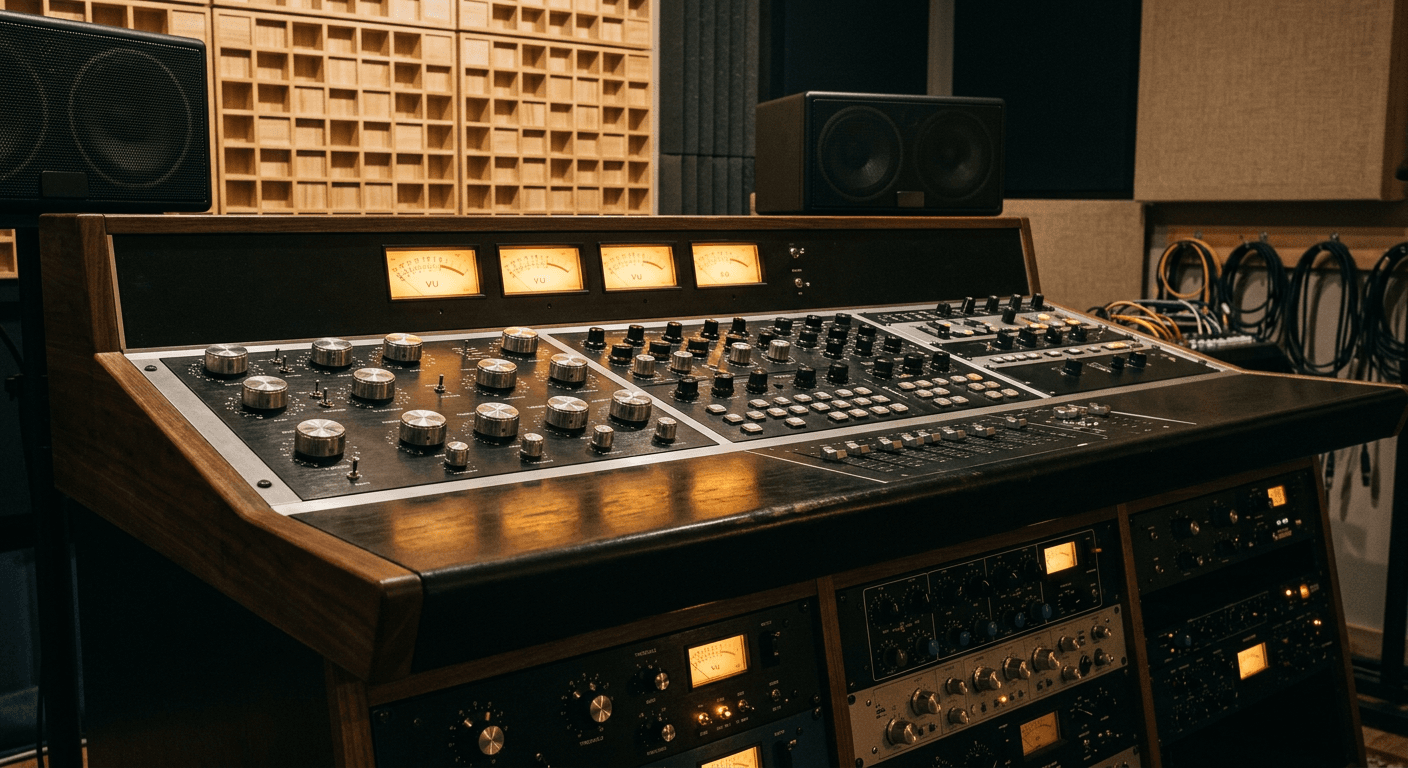
The moment you pull up a rough mix and realize the low-end is masking the kick drum, despite your best equalization efforts, is usually the moment you realize your room is lying to you. Finding the right recording studio is rarely about selecting the location with the most expensive microphone locker; it is about matching the acoustic reality of a space to the specific bottleneck in your production workflow. Independent artists often waste significant budget tracking vocals in massive live rooms, while bands cram drum kits into poorly treated boutique spaces that choke early reflections. By understanding how different facilities handle acoustic volume, signal flow, and technical liability, you can ensure your budget goes directly onto the master tape rather than into overhead you do not need.
Quick Summary
A professional recording studio provides specialized acoustics, curated signal chains, and dedicated monitoring environments designed to capture, mix, or master audio accurately. Selecting the correct tier of facility prevents critical workflow bottlenecks and budget waste.
- Commercial spaces offer massive acoustic volume for live ensembles.
- Boutique hybrid setups accelerate vocal and overdub workflows.
- Dedicated mastering houses provide objective, uncompromised listening environments.
- Producer-owned rooms prioritize in-the-box iteration over acoustic tracking.
- Dry-hire facilities provide treated acoustics while shifting technical operation to your own engineer.
Table of Contents
- Defining the Recording Studio: Facility Focus
- 1. Large-Format Commercial Studios
- 2. Boutique Hybrid Studios
- 3. Dedicated Mastering Houses
- 4. Producer-Owned Project Studios
- 5. Dry-Hire Tracking Rooms
- Mapping Your Project to the Right Facility
- FAQ
- Recommended Reads
| Option | Facility Focus | Features | Pros | Cons | Target Audience |
|---|---|---|---|---|---|
| Large-Format Commercial Studios | Live tracking capability | Massive acoustic volume, extensive isolation booths, centralized analog consoles | Unmatched room acoustics, simultaneous full-band tracking, extensive mic lockers | High hourly minimums, extended setup times, overkill for solo acts | Live bands, orchestras, major label tracking sessions |
| Boutique Hybrid Studios | High-speed overdubbing | Curated analog outboard, DAW integration, focused mix positions | Fast recall, intimate creative environment, cost-effective for vocals | Limited tracking space, fewer isolation options, narrow mix sweet spot | Solo vocalists, electronic producers, mixing engineers |
| Dedicated Mastering Houses | Final quality control | Objective acoustic neutrality, specialized transfer consoles, flat-rate pricing | Flawless translation, objective critical listening, specialized format delivery | Zero tracking capability, requires fully locked mixes, rigid workflow | Independent artists, record labels, mixing engineers |
| Producer-Owned Project Studios | Iterative songwriting | Deep software integration, template-driven routing, virtual instrument caching | Instant workflow, unlimited creative iteration, no strict clock | Subjective acoustic tuning, minimal acoustic separation, unsuited for guest engineers | Co-writers, pop producers, beatmakers |
| Dry-Hire Tracking Rooms | Venue-only access | Built-in tie lines, treated acoustic shells, baseline monitoring | Access to premium acoustics, flexible booking, privacy | Requires external technical staff, zero house support, liability rests on client | Freelance engineers, traveling producers |
Defining the Recording Studio: Facility Focus
The audio production industry operates on a spectrum of specialization. Evaluating a space requires looking through a specific classification axis: Facility Focus. This lens categorizes a studio based on whether its primary job is capturing live acoustic energy, accelerating digital workflows, or providing objective quality control. We categorize these facilities into five distinct models: Large-Format Commercial Studios, Boutique Hybrid Studios, Dedicated Mastering Houses, Producer-Owned Project Studios, and Dry-Hire Tracking Rooms.
Comparing a large-format commercial room directly against a dedicated mastering environment is counterproductive; one is designed to manipulate air and sound waves in real time, while the other is engineered to evaluate a fixed digital file with zero coloration. Understanding the mechanism behind each category ensures you book the facility that removes your current bottleneck rather than creating a new one.
1. Large-Format Commercial Studios
A tracking engineer adjusting microphone placement on a 15-piece string section relies on ceiling height, not just capsule quality, to capture early reflections accurately. Large-Format Commercial Studios are expansive facilities built specifically to record multiple musicians playing simultaneously in a shared acoustic space. They cater to major label projects, orchestras, and live bands that require physical interaction alongside absolute sonic separation.
The mechanism of these rooms relies on massive acoustic volume and physical isolation. Sound waves generated in the primary live room interact with engineered diffusers and bass traps before bleeding into adjacent isolation booths. These physical spaces are tied together via complex copper tie-line networks, routing dozens of microphone signals directly into a centralized, large-format analog console. This console distributes zero-latency headphone mixes back to the musicians while simultaneously feeding the primary recording medium. The architecture entirely separates the performers' acoustic environment from the engineer's critical listening environment.
Acoustic volume dictates tracking capacity
Single-source tracking severely hurts commercial viability here. Booking a 2,000-square-foot room to record a synthesizer direct-in heavily wastes the primary asset you are paying to access. These facilities maintain massive footprints and complex analog routing. Thus, their day rates are structured to support high-overhead operations. Solo artists laying down electronic beds or simple vocal tracks should skip this tier. The intricate setup time alone will drain your budget before a single usable take is captured.
Book the large-format space when capturing the physical interaction of musicians playing together in an acoustically rich environment is critical to the success of the record.
Pros
- Provides the necessary acoustic volume for live drum kits and string ensembles
- Features extensive isolation booths to prevent microphone bleed during live takes
- Offers comprehensive microphone lockers and centralized analog routing
Cons
- Commands high minimum booking rates due to operational overhead
- Requires significant setup time for patching and microphone placement
- Creates unnecessary budget drain for artists tracking one element at a time
2. Boutique Hybrid Studios
Where large-format rooms prioritize sheer square footage, the boutique setup trades acoustic volume for a highly curated signal chain. Boutique Hybrid Studios serve independent solo artists, vocalists, and mix engineers who need access to premium analog coloration without the overhead of a massive live room. These spaces integrate selective analog hardware tightly into modern digital workflows.
Massive central consoles are notably absent. The mechanism revolves around analog summing mixers, dedicated 500-series lunchbox racks, and high-end digital-to-analog converters. The workflow jumps seamlessly between digital arrangement and analog processing. An engineer can track a vocal through a vintage tube compressor. That signal routes instantly into a software environment. DAW controllers then manipulate the mix. The physical layout places the artist and engineer in the same heavily treated control room. Close-miking techniques and physical baffles reject unwanted room noise during overdubs.
Workflow speed demands patching discipline
Simultaneous live performance pushes this setup beyond its capacity. These spaces are designed primarily around the mix position. You cannot comfortably track a loud drum kit while isolating a vocalist and an acoustic guitar. The physical footprint simply prevents low-frequency energy from dissipating naturally. Forcing a full band into the room triggers phase issues. It also guarantees unwanted microphone bleed.
Opt for a boutique environment when your project primarily requires high-quality vocal overdubs, synthesizer tracking, and access to mastering and mixing services via hybrid processing.
Pros
- Accelerates workflow by closely integrating digital control with analog processing
- Reduces hourly costs by eliminating the overhead of massive live rooms
- Fosters intimate creative collaboration by keeping the artist and engineer in one space
Cons
- Lacks the acoustic volume required for large live tracking sessions
- Provides limited or zero physical isolation for simultaneous performers
- Restricts the critical listening sweet spot to a very narrow mix position
3. Dedicated Mastering Houses
Will running a final mix through a high-end analog chain actually fix phase issues, or just make them louder? Dedicated Mastering Houses serve a highly specific audience: independent artists, record labels, and producers who require objective quality control before distribution. Unlike tracking spaces, these facilities are engineered entirely around evaluating a fixed stereo file with zero coloration.
The mechanism relies on uncompromised acoustic neutrality rather than isolation. Audio travels from the digital playback system through a specialized transfer console, hitting bespoke analog processors before returning through ultra-linear converters. Every piece of mastering equipment is calibrated with stepped attenuators for precise recall and perfect left-right channel matching. The room's acoustic treatment focuses strictly on controlling low-frequency decay times and maintaining phase coherence at the listening position. This ensures the engineer hears exactly what is in the file.
Practical rule: Never evaluate a control room's low-end response from the client couch at the back of the room; the frequency buildup there will not reflect what the engineer actually hears at the transfer console.
Objective translation requires an uncompromised listening environment
Because the room is engineered for final spectral balancing, it offers zero flexibility for tracking or multi-track mixing. If a track features a fundamentally broken vocal balance, running it through premium outboard gear will only highlight the flaws. We would reject sending a project to this tier if the mix is still actively being tweaked; the process demands a locked, final stereo file or neatly organized stems. Because the workflow is highly specific, pricing shifts away from hourly rental models. According to published rates in the sector, flat-rate pricing often applies, with some dedicated houses charging $120 per stereo single or adding a $50 flat fee for specialized physical media formatting.
Move your project to this facility strictly when the mix is locked and requires final dynamic balancing for commercial or physical distribution.
Pros
- Delivers objective translation across consumer playback systems
- Utilizes stepped, highly calibrated analog hardware for perfect channel matching
- Employs flat-rate pricing structures that eliminate hourly clock pressure
Cons
- Offers absolutely no microphone tracking or multi-track mixing capabilities
- Requires the client to deliver fully locked, error-free mix files
- Enforces a rigid workflow that cannot accommodate fundamental arrangement changes
4. Producer-Owned Project Studios
Relying on hourly commercial rates often kills the iterative writing process for electronic and pop artists. Producer-Owned Project Studios are highly personalized environments built around songwriting and beat production. They cater directly to co-writers, electronic musicians, and artists who build tracks layer by layer over extended periods.
The core mechanism in these rooms is software integration and template-driven routing. Acoustic treatment is localized entirely to the mix position, while physical patching is abandoned in favor of virtual instrument caching and MIDI protocols. Synthesizers and drum machines are hard-wired into dedicated converter inputs, allowing the producer to launch a session and instantly record without setting up microphones or running tie lines. This eliminates the technical friction that interrupts the creative flow during complex stem mastering services or arrangement sessions.
Deep software integration speeds up iteration at the cost of acoustic separation
We would caution against using these spaces for highly critical acoustic evaluation or bringing in outside technical staff, as the monitoring environment is generally tuned to one specific individual's preference rather than an objective standard. The room is an instrument built for the resident producer. A guest engineer attempting to track a session here will constantly fight undocumented routing quirks, custom macro keys, and subjective monitor equalization.
Choose this setting if you are co-writing a track from scratch and need instant, frictionless access to virtual instruments and production tools.
Pros
- Removes technical setup time through hard-wired, template-driven routing
- Encourages rapid creative iteration without the pressure of an hourly clock
- Integrates deeply with specific DAW workflows and software synthesizers
Cons
- Features highly subjective acoustics tailored to one person's ears
- Prohibits guest engineers from operating the room efficiently
- Lacks the acoustic isolation needed to record loud physical instruments
5. Dry-Hire Tracking Rooms
When a freelance engineer lands a drum tracking session but lacks a live room, they seek out a facility that provides the acoustics without the personnel. Dry-Hire Tracking Rooms cater to traveling producers and freelance engineers who already possess the technical knowledge to run a session but simply lack the physical real estate.
The mechanism of a dry-hire room is bare-bones infrastructure. The facility provides the engineered acoustic shell, built-in copper tie lines, and a baseline monitoring system. The renting engineer must provide the session files, often bringing their own recording rig, specialized microphones, and hard drives. The space operates purely as a physical venue for sound waves, offering zero creative or technical input. This approach drastically lowers the day rate compared to a fully staffed commercial facility, making it ideal for capturing raw materials like live drums or brass sections before taking the files back to a boutique room for CD mastering services or mixing.
Bring-your-own-engineer models shift technical liability to the client
Booking a dry room leaves you entirely responsible for the technical execution. There is no house assistant to troubleshoot a broken patch bay, re-solder a failing cable, or set up microphone stands while you focus on the talent. If a routing issue delays the session by two hours, that lost time falls entirely on your budget. I would absolutely avoid booking a dry-hire space if you are an artist without a dedicated, experienced tracking engineer managing the session.
Rent a dry-hire room if you already employ a trusted engineer and simply need access to professional acoustics to capture a specific performance.
Pros
- Grants access to premium acoustic tracking spaces at a lower day rate
- Provides complete privacy without house staff interfering in the session
- Allows freelance engineers to scale their tracking capabilities instantly
Cons
- Requires the client to provide all technical expertise and troubleshooting
- Offers zero house support if equipment fails or routing issues occur
- Demands that clients supply their own specialized recording equipment
Mapping Your Project to the Right Facility
Selecting the right tier of facility depends entirely on what your project actually needs to cross the finish line. If you are recording a five-piece live band that needs to capture the energy of playing in the same room without microphone bleed ruining the mix, the Large-Format Commercial Studio is your only viable option.
When your track consists entirely of virtual instruments but requires high-end analog compression on the lead vocal, the Boutique Hybrid Studio provides the necessary gear without charging you for unused floor space.
For projects that are fully mixed, approved, and require objective quality control before hitting streaming platforms or physical presses, the Dedicated Mastering House is mandatory. Sending a final mix to a tracking room for mastering defeats the purpose of the discipline.
If you are starting with a blank canvas and need to write, program, and arrange a track quickly, the Producer-Owned Project Studio removes the technical hurdles that slow down songwriting.
Finally, if you are a competent engineer who simply needs a great-sounding live room to capture a drum kit for an afternoon, the Dry-Hire Tracking Room gives you the acoustics without the overhead of a full commercial staff. Before reading through mastering guides and tutorials to fix a bad recording, ensure you are capturing the audio in the correct environment from day one.
FAQ
What is the difference between a mixing studio and a mastering house? A mixing studio focuses on blending individual multitrack elements (vocals, drums, guitars) into a cohesive stereo file, often utilizing hybrid analog and digital workflows. A mastering house takes that final stereo file and uses highly calibrated, uncompromised listening environments to ensure it translates perfectly across all consumer playback systems.
Why do large-format recording studios cost more than boutique rooms? Large-format studios carry immense operational overhead due to the physical square footage required for acoustic volume and multi-room isolation. You are paying for the physical real estate, the complex centralized analog routing systems, and the ability to track multiple musicians simultaneously.
Can I record vocals in a dedicated mastering facility? No. Dedicated mastering facilities are strictly designed for objective critical listening and final spectral balancing. They do not maintain the microphone lockers, tracking booths, or multi-track routing infrastructure required to record live audio.
What does dry-hire mean in audio production? Dry-hire means you are renting only the physical acoustic space and built-in tie lines. The facility does not provide house engineers, assistants, or technical troubleshooting, shifting all technical liability to the client or their hired freelance engineer.